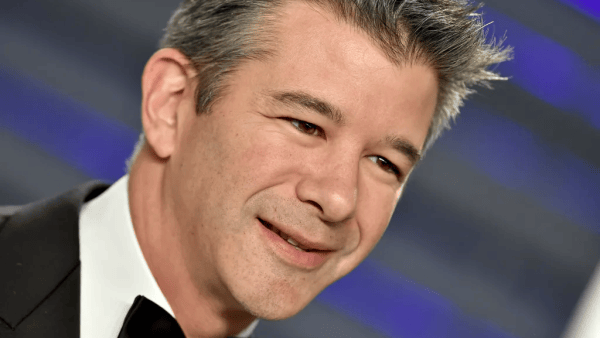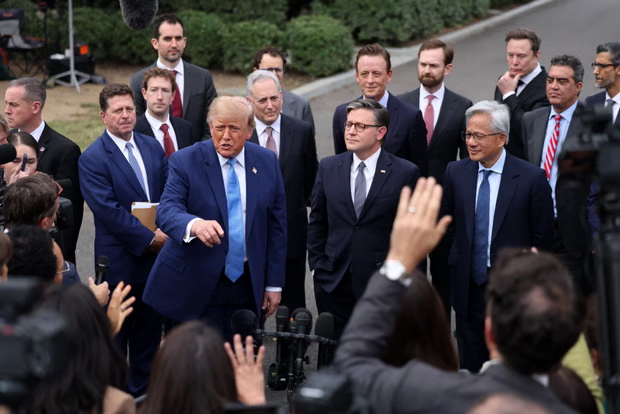
President Trump and major tech CEOs signed a voluntary safety deal to self-police advanced smart computer systems called super intelligence.
United States President Donald Trump has joined top technology bosses to sign a landmark voluntary agreement aimed at setting safety rules for advanced smart computer tools.
The official signing ceremony took place on September 29, 2026, at the White House in Washington after senior tech leaders gathered for a special luncheon meeting.
High-profile executives who signed the agreement included Meta chief Mark Zuckerberg, xAI owner Elon Musk, OpenAI leader Greg Brockman, Anthropic chief Dario Amodei, Google boss Sundar Pichai, and Nvidia leader Jensen Huang.
The fresh safety pact comes as government leaders and technology developers debate how to manage rapidly growing computer programs without slowing down business innovation.
Under the new agreement, technology firms promise to perform internal security checks and hire outside evaluators to review their own computer code.
Along with the signed document, the administration issued an official directive renaming AI across government agencies, officially ordering staff to refer to the technology as super intelligence instead.
The agreement rests on voluntary self-policing rather than strict government rules or legal mandates enforced by regulatory agencies.
Under the terms of the deal, companies get to choose their own independent safety boards, select their own evaluators, and decide whether to publish their safety test results to the public.
The administration framed the agreement as a way to maintain American leadership in global technology races, arguing that heavy government restrictions would hurt economic growth and slow down local software builders.
See Also: Deloitte UK Partner Pay Reaches $1.5 Million Thanks to Strong AI Demand
Speaking to reporters outside the West Wing following the meeting, President Donald Trump expressed strong confidence that major tech firms will police themselves responsibly.
Donald Trump told reporters that “I think I’m seeing tremendous self-policing,” adding that “they understand that they have to self-police”.
Participating executives also praised the open dialogue, with Meta chief Mark Zuckerberg stating that “this is a start and an accord that the whole industry could come to,” while describing the White House meeting as “a historic conversation”.
While corporate leaders welcomed the flexible approach, independent safety researchers and political critics raised concerns about relying on voluntary promises.
Skeptics pointed out that because the accord contains no legal enforcement mechanisms or mandatory public disclosures, businesses can ignore recommendations without facing financial fines or legal penalties.
Despite these criticisms, technology companies plan to hold regular joint meetings in the coming months to establish shared testing standards for their super intelligence models.

About the Author
Jennifer Sakmufuwo Baba is a tech analyst, senior staff, and writer covering artificial intelligence, cybersecurity , and emerging technologies at TechRegard. Based in Nigeria, she's passionate about translating complex tech developments into compelling, accessible stories for diverse audiences. Her work focuses on how technology shapes innovation across Africa and globally.