

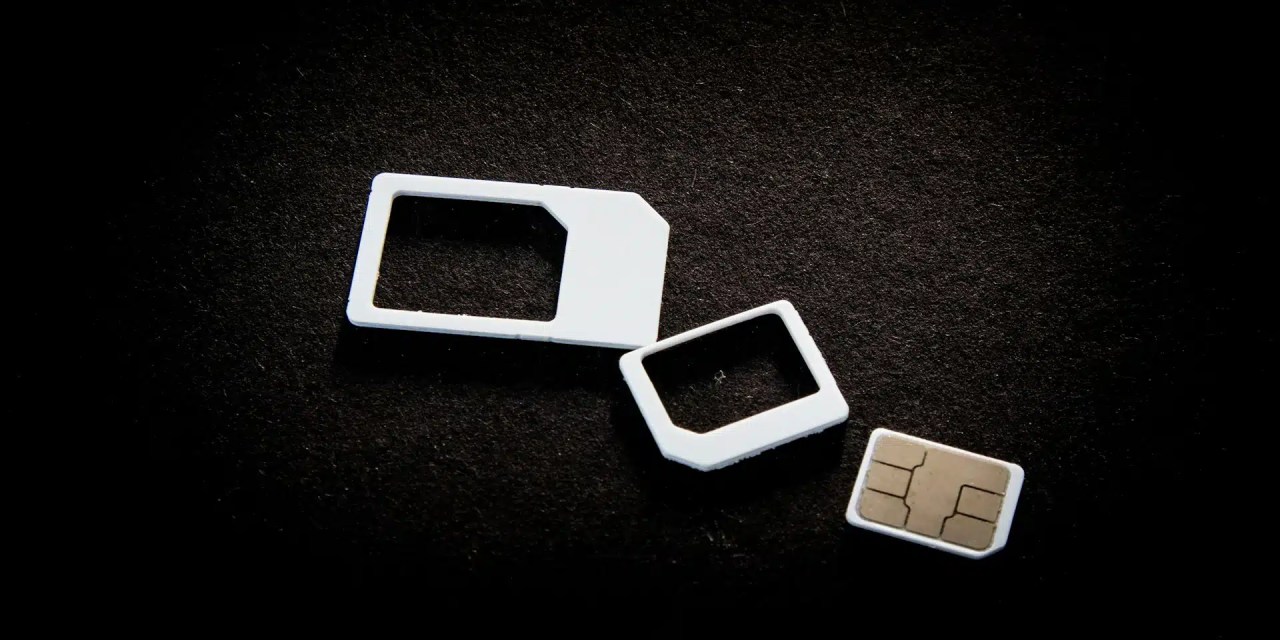
Uganda is considering regulations that would require parents to disclose all SIM cards used by their children, in a move aimed at strengthening protection against online abuse and other digital threats facing minors.
The proposed measure would enable telecommunications operators to identify phone numbers used by children and maintain dedicated databases to support the introduction of age-appropriate online safety measures.
The Executive Director of the Uganda Communications Commission (UCC), Nyombi Thembo, announced the proposal on November 5, 2026, during the regulator’s two-day Testbed Hackathon in Nakawa, Kampala.
Under the proposed arrangement, parents would be expected to provide details of SIM cards used by their children, allowing telecom operators to identify accounts belonging to minors and potentially apply safeguards such as content filtering and restrictions on harmful material.
However, the proposal remains under consideration, and Uganda has yet to announce an implementation date or confirm that the requirement will become law.
The regulator says the initiative is intended to address growing concerns about children’s exposure to cyberbullying, online grooming, sexual exploitation, hate speech and other harmful content.
Figures cited by the UCC indicate that 88.5 per cent of students in Uganda face digital risks, including cyberbullying, hate speech and misinformation, while 70.1 per cent have encountered explicit sexual messages.
The proposed database could give telecom operators a clearer way to identify young users and introduce protections suited to their age. It could also help authorities and service providers develop more targeted interventions against online threats.
Thembo, however, stressed that the responsibility for protecting children online should not rest solely with the government, describing parents as the primary gatekeepers of their children’s digital activities.
The UCC plans to organise annual engagements with parents and community organisations to improve awareness of online risks and encourage families to take a more active role in supervising children’s internet use.
The proposal follows findings presented at the regulator’s Communications Consumer Parliament in Fort Portal on October 15, 2026. The findings showed that 69.7 per cent of children surveyed knew how to use the internet, but only 23.6 per cent of their parents knew they were online.
See also: Two Years After NIN-SIM Crackdown, Nigeria’s Active Phone Lines Hit 200 Million
The survey also found that 52.9 per cent of the children had experienced cyberbullying, while 24.1 per cent had never disclosed the online challenges they faced.
Uganda’s latest proposal builds on other efforts to improve digital safety. On August 13, 2026, the UCC partnered with Next Media to launch the three-year Be a Cyber Hero campaign, which seeks to promote responsible internet use and protect children from cyberbullying, grooming, scams and the misuse of personal information.
The Ministry of Gender, Labour and Social Development has also been working with UNICEF on a National Child Protection Action Plan to address online child sexual exploitation and abuse.
Despite the proposed benefits, the plan raises questions about children’s privacy and the security of their personal information. A centralised database of minors’ phone numbers could help telecom operators apply safety measures, but its effectiveness would depend partly on how the information is collected, stored and accessed.
Uganda already operates a mandatory SIM registration system under its Registration of Persons Act 2015, which requires subscribers to provide national identification details when registering phone numbers. The country has also strengthened biometric verification requirements over the years.
The proposed child-specific database would extend the use of registration information by enabling operators to identify SIM cards used by minors and potentially apply additional protections.
How the proposal is implemented, particularly the safeguards governing access to children’s information, will determine whether it strengthens online protection without creating new privacy and surveillance risks.

About the Author
Cecilia Attah is a tech analyst with a degree from Benue State University. She covers tech news and startups at TechRegard with a focus on how technology is transforming Africa and shaping the global landscape.


