United Airlines banned personal AI agents from booking or modifying flights to protect customer data and comply with federal safety rules.
United Airlines has officially banned third-party AI assistants from booking, modifying, or managing flights across its digital platforms.
Announced in November 2026, the policy update makes United the first major carrier in the United States to strictly block personal software agents from completing ticket transactions.
While automated assistants can still search and display flight prices for travelers, the airline now requires a real human to complete the actual checkout and check-in steps.
Company leaders explained that the strict ban is necessary to protect customer privacy and stop account fraud. When travelers connect personal software helpers to their airline profiles, they must often hand over private login passwords and payment details.
Airline security teams warned that sharing these sensitive details with outside tools could lead to stolen account information, accidental ticket purchases, or the unauthorized spending of customer loyalty points.
Beyond digital security worries, the carrier pointed out that automated check-ins can break strict federal aviation laws. Rules set by the Federal Aviation Administration and the Department of Transportation require human travelers to personally confirm safety disclosures before flying.
Because an automated computer program cannot legally promise that a passenger’s luggage is free of dangerous items or banned explosives, letting software finish the check-in process creates major legal violations.
The new rules apply across United’s main website, mobile apps, and outside travel booking agencies. Alongside security and legal concerns, airline leadership also admitted they want to protect their direct relationship with flyers.
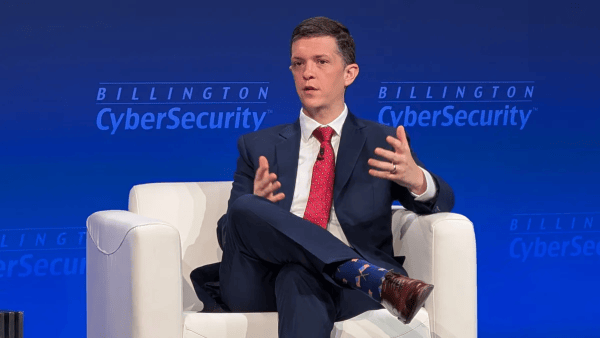
Speaking at a public event in Chicago regarding the rise of automated booking tools, United Chief Executive Officer Scott Kirby remarked, “To be honest, I don’t want to create another middleman”.
United’s defensive approach puts it at odds with some rival carriers that are actively welcoming smart booking tools. Competitors like Delta Air Lines allow verified software helpers to buy tickets using customer logins, while budget carriers such as Southwest have built direct links with popular chat platforms.
However, United’s strict stance mirrors major online retailers like Amazon, which have also moved to block automated shopping bots from making purchases on their websites.
To help travelers understand the new boundaries, the airline plans to update its online Digital Trust Center with clear safety guides.
As smart computer assistants become more capable of handling everyday chores, major companies across travel, banking, and retail are increasingly drawing hard lines to keep human users directly in control of final payments and sensitive personal accounts.

About the Author
Jennifer Sakmufuwo Baba is a tech analyst, senior staff, and writer covering artificial intelligence, cybersecurity , and emerging technologies at TechRegard. Based in Nigeria, she's passionate about translating complex tech developments into compelling, accessible stories for diverse audiences. Her work focuses on how technology shapes innovation across Africa and globally.